Unlocking the Secrets of Shoujo Manga First Pages: A Journey into Visual and Narrative Artistry
Shoujo manga, a beloved genre within the expansive world of Japanese graphic novels, captivates readers with its unique blend of romance, drama, and intricate character development. At the heart of each series lies the first page—a critical element that sets the tone, introduces key characters, and establishes the narrative’s trajectory. In this exploration, we delve into the artistry and techniques that make the opening pages of shoujo manga both compelling and unforgettable.
The Power of the First Page: Crafting an Unforgettable Opening
The first page of a shoujo manga serves as the gateway to the story’s universe. It is here that readers form their initial impressions, making this page a crucial canvas for manga artists. Unlike other genres, shoujo manga often emphasizes emotional depth and visual aesthetics from the outset, drawing readers into a world where emotions are vividly portrayed through art.
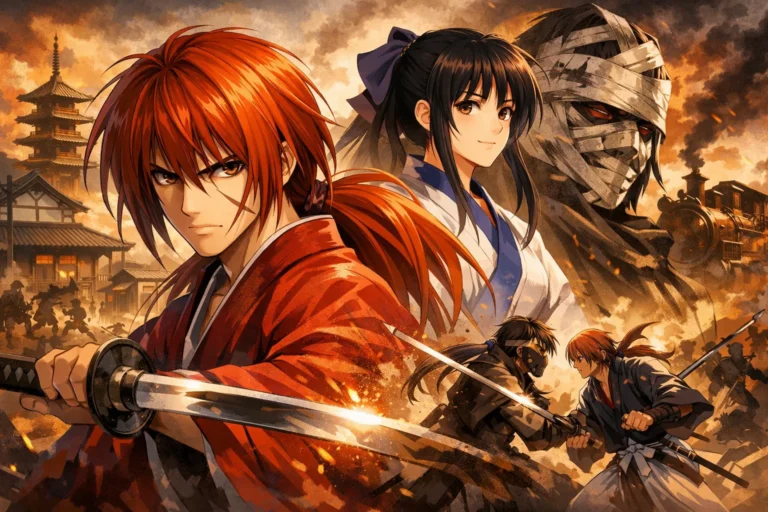
See also The Ultimate Guide to Rurouni Kenshin Manga
Visual Storytelling: Beyond Words
In shoujo manga, the visual elements on the first page are paramount. Artists meticulously design panel arrangements to guide the reader’s eye, using techniques such as dynamic panel layouts and expressive character poses. The use of soft lines and delicate shading often conveys the genre’s romantic and introspective tones, while the strategic placement of dialogue and thought bubbles ensures seamless storytelling.
Character Introductions: Meeting the Protagonists
Introducing characters effectively on the first page is an art form in itself. Shoujo manga often employs subtle character cues—such as distinctive fashion styles or emotive facial expressions—to immediately establish a character’s personality and role within the story. This technique invites readers to connect with characters on a deeper level from the very beginning.
Iconic Examples: Shoujo Manga First Pages That Inspire
Several shoujo manga series have set benchmarks with their memorable first pages. Consider the opening of “Sailor Moon,” where the protagonist Usagi Tsukino is depicted in a relatable, everyday scenario that quickly spirals into adventure. This juxtaposition of the ordinary with the extraordinary is a hallmark of effective shoujo manga openings, engaging readers with elements of surprise and curiosity.
- “Fruits Basket”: Utilizes serene imagery and gentle humor to introduce Tohru Honda’s world.
- “Ouran High School Host Club”: Sets a whimsical tone with its vibrant art and playful character dynamics.
- “Nana”: Captures the contrasting lives of its dual protagonists through stark, impactful visuals.
Innovative Techniques: What Sets Shoujo Manga Apart
Shoujo manga artists continuously push the boundaries of visual storytelling. By experimenting with unique artistic styles and narrative techniques, they create first pages that resonate emotionally with the audience. The use of symbolic imagery, such as flowers or weather elements, often adds layers of meaning that enrich the reader’s experience.
Comparisons with Other Manga Genres
While shoujo manga shares some common elements with other manga genres, its emphasis on emotion and character-driven plots sets it apart. Unlike action-heavy shounen manga, shoujo focuses on the subtleties of relationships and personal growth, often reflected in more detailed and expressive opening pages.
Engaging the Reader: The Role of Page Layout
The layout of the first page plays a vital role in reader engagement. By skillfully balancing visual elements with narrative flow, manga artists ensure that readers are captivated from the first glance. Techniques such as varying panel sizes and creative use of negative space enhance the page’s aesthetic appeal, guiding the reader smoothly through the story.
Conclusion: The Art of Beginning
The first page of a shoujo manga is more than just an introduction—it’s an invitation to explore a new world filled with emotion, beauty, and complexity. As readers, we are drawn into these stories not only by the narrative but by the artistry that makes each page a masterpiece. Whether you’re a seasoned manga enthusiast or a newcomer, taking a closer look at these opening pages offers a deeper appreciation for the craft and creativity behind shoujo manga.
Explore Further: A Call to Action
Ready to dive deeper into the world of shoujo manga? Explore our collection of articles on visual storytelling techniques and character development to enhance your understanding and appreciation of this captivating genre. Discover the secrets behind your favorite series and find inspiration for your own creative endeavors.
FAQ Section
- What makes an effective opening page in shoujo manga?An effective opening page combines visual appeal with strong character and story introductions, setting the tone for the series.
- How do different artists approach the first page of their shoujo manga?Artists use unique artistic styles and techniques such as dynamic layouts and symbolic imagery to create engaging first pages.
- What are the typical elements used in shoujo manga opening pages?Common elements include expressive characters, thematic visuals, and narrative-driven panel arrangements.
- How does shoujo manga differ from other genres in its opening pages?Shoujo manga often emphasizes emotion and character development, using detailed art and expressive storytelling techniques.
- Can digital formats influence the design of shoujo manga first pages?Yes, digital formats allow for more creative freedom, such as interactive elements and enhanced visual effects, influencing design choices.