Anime vs Manga: Understanding the Distinctive Worlds of Japanese Pop Culture
Anime and manga are two pillars of Japanese pop culture that have captivated audiences worldwide. Despite their shared origins, they offer unique experiences and have distinct characteristics that set them apart. In this article, we delve into the nuances of anime and manga, exploring their differences, cultural significance, and the reasons behind their global appeal. Whether you’re a seasoned fan or a curious newcomer, this exploration will provide fresh insights into these fascinating mediums.
The Evolution of Anime and Manga: A Historical Perspective
The journey of anime and manga began in Japan, where both mediums have evolved over decades to become cultural phenomena. Manga, a form of comic or graphic novel, traces its roots back to the early 20th century. It was initially influenced by Western comic strips but soon developed a distinct style characterized by detailed artwork and intricate storytelling. Notable pioneers like Osamu Tezuka played a critical role in shaping the modern manga industry.
Anime, on the other hand, refers to animated TV shows and films. It gained momentum in the 1960s with the release of influential series such as “Astro Boy.” The medium quickly expanded, embracing a diverse range of genres and themes, from action-packed adventures to introspective dramas. Today, both anime and manga are integral to Japan’s cultural identity and continue to inspire creators worldwide.
Exploring the Visual and Artistic Differences
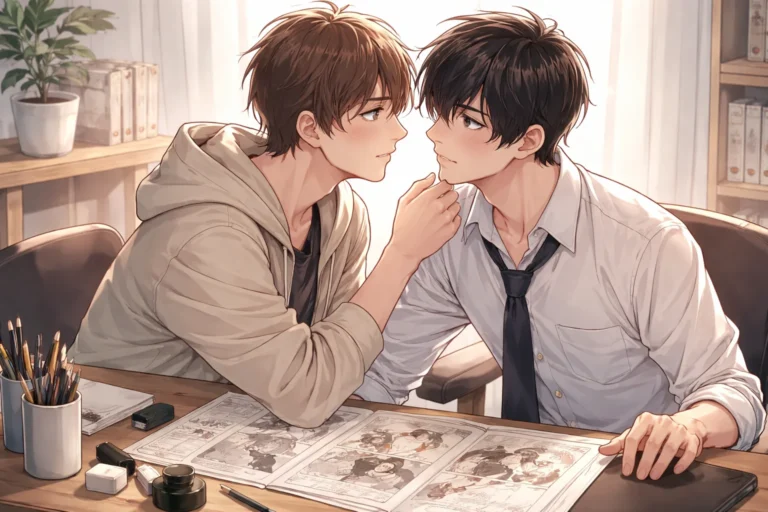
One of the most striking differences between anime and manga lies in their visual styles. Manga is typically black and white, allowing for intricate shading and detailed character expressions. Artists often employ a variety of techniques to convey emotion and action, making it a deeply immersive experience for readers.
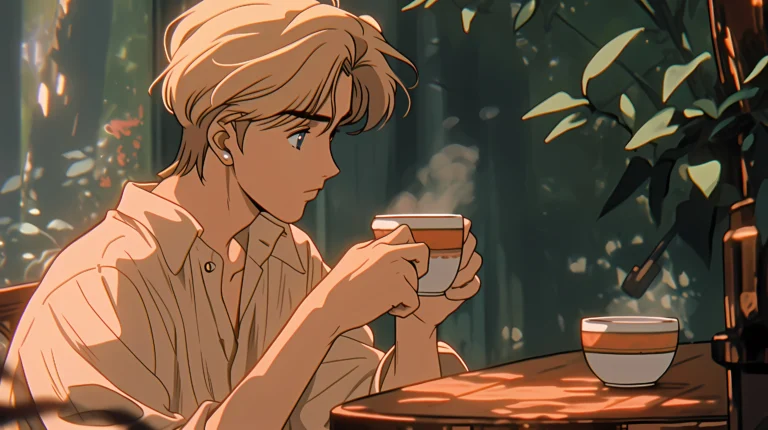
Anime, conversely, brings these stories to life through vibrant colors, dynamic animations, and auditory elements such as voice acting and soundtracks. The transition from static images to motion allows for a different kind of storytelling, where pacing and direction play crucial roles in engaging the audience.
Storytelling Methods: Chapters vs Episodes
While manga is serialized in chapters, often published in magazines or as standalone volumes, anime is divided into episodes. This distinction affects how stories are developed and consumed. Manga readers may spend hours poring over detailed panels, savoring the depth of the narrative. In contrast, anime viewers experience stories in a more structured format, with episodes dictating the rhythm and flow of the plot.
This difference in format also influences character development. Manga often provides more room for introspection and background details, while anime can employ visual and auditory cues to convey character emotions and growth.
The Cultural Impact: From Japan to the World
Both anime and manga have transcended cultural boundaries, gaining immense popularity across the globe. In Japan, they are deeply ingrained in daily life, influencing fashion, language, and even tourism. Internationally, they have sparked a thriving fan community that celebrates Japanese culture through conventions, cosplay, and fan art.
The influence of anime and manga extends beyond entertainment, impacting Western animation and comics. This cross-cultural exchange has led to innovative storytelling and artistic collaborations, enriching the global media landscape.
The Digital Revolution: How Technology is Shaping the Future
The advent of digital technology has significantly transformed how anime and manga are produced and consumed. Streaming platforms have made anime more accessible to global audiences, while digital manga services offer a convenient reading experience. This shift has democratized access, allowing fans worldwide to explore a vast array of titles with ease.
Moreover, digital tools have empowered creators, enabling them to experiment with new styles and formats. As technology continues to evolve, it promises to further blur the lines between anime and manga, leading to exciting innovations in both mediums.
Fandom Dynamics and Community Engagement
The communities that form around anime and manga are vibrant and diverse, characterized by passionate engagement and creative expression. Fans often come together online and offline to discuss their favorite series, share fan works, and celebrate their shared interests.
These interactions foster a sense of belonging and cultural exchange, as fans from different backgrounds connect over their love for Japanese pop culture. This global community has played a pivotal role in the continued growth and popularity of anime and manga.
Conclusion: Embracing the Diversity of Anime and Manga
In the ever-evolving landscape of entertainment, anime and manga stand out for their unique ability to captivate and inspire. Their differences offer diverse experiences, while their shared roots connect fans across cultures. As we look to the future, both mediums will undoubtedly continue to evolve, driven by the creativity of their creators and the passion of their fans.
Whether you prefer the introspective depth of manga or the vibrant storytelling of anime, there’s no denying the profound impact these forms of art have had on global pop culture. Embrace the journey of discovery, and explore the rich tapestry of stories that anime and manga have to offer.
Frequently Asked Questions
- What are the main differences between anime and manga? Anime is animated and typically in color, while manga is a printed comic or graphic novel, often in black and white.
- Is manga better than anime? It depends on personal preference. Manga offers detailed storytelling, while anime provides a visual and auditory experience.
- Can manga be adapted into anime? Yes, many anime series are adaptations of popular manga, allowing for a different interpretation of the story.
- Why is manga more popular than anime in Japan? Manga is more accessible and affordable in Japan, making it a staple in Japanese pop culture.
- How do anime and manga influence Western media? They inspire storytelling techniques and artistic styles in Western comics and animations.